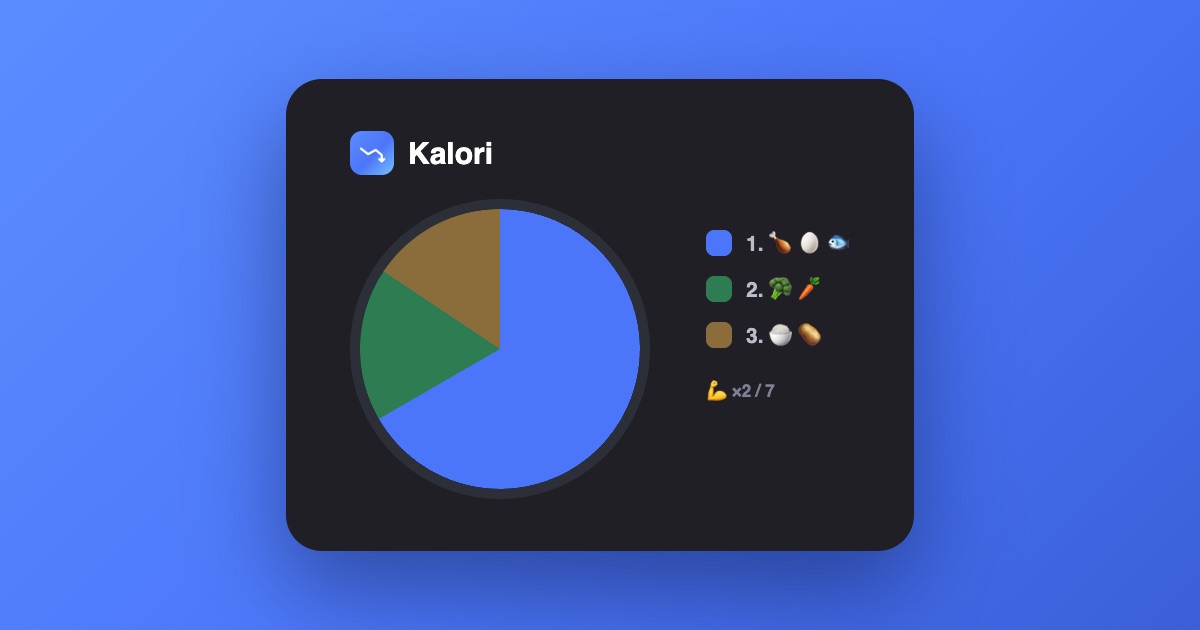
GLP-1 does exactly what it promises: it quiets hunger. But the very feature that melts fat has a second edge - when you eat half as much, protein is the first thing to fall off the plate. And without protein, a good part of what disappears from the scale is not fat but muscle. It is the most avoidable mistake of the whole therapy.
Why you eat too little protein on GLP-1
The mechanism is simple: the medication brings satiety fast, so you finish a meal after a few bites. And protein - meat, fish, dairy - is the most satiating macronutrient, so paradoxically it is the first thing you give up on: two bites of chicken and "I can't anymore", but a sandwich or a snack still fits. Add the nausea of the first weeks, which tends to push people away from meat in particular.
What losing weight without protein costs you
With a large deficit and no protection, even a quarter to a third of the lost mass can come from lean tissue - mostly muscle. The consequences are concrete:
- lower energy needs - less muscle means a slower metabolism, which means an earlier plateau and an easier weight regain,
- a worse silhouette despite a lower weight - "skinny fat" is exactly this scenario,
- less strength and energy day to day,
- a bigger rebound after stopping the medication - muscle is your buffer for later.
Weight loss is not only "how much" but "made of what". The scale cannot tell the difference - which is why it pays to look wider (more below).
How much protein to aim for
The general rules are in our post on protein for weight loss - in short: 1.6-2.2 g per kilogram of body weight daily, and with significant excess weight, count from your target weight. On GLP-1 the real problem is different than usual: not "how much should I", but "how do I even fit it in" with a small appetite. That is why a lower bound kept consistently beats an ambitious plan abandoned after a week. The full balance is in the calorie calculator.
How to fit protein in when appetite is small
- Protein first on the plate. Satiety will come fast - let it find you after the chicken, not after the fries.
- Liquid and soft options count just the same: skyr, cottage cheese, a protein shake, an omelette - easier to accept with nausea than a steak.
- Spread it over 3-4 smaller portions instead of one big one - 25-30 g per meal is a realistic target, 100 g at dinner is not.
- Do not leave protein for the evening - that is when your appetite will be smallest.
- Two resistance workouts a week - even short ones - signal to your body that the muscles are needed. Without that, even perfect protein protects less.
How to check whether you are losing fat
The scale alone cannot tell muscle from fat, but two simple things largely can:
- Weight trend + pace: a healthy pace (about 0.5-1% of body weight per week) itself protects muscle - rapid drops are usually muscle too.
- Body circumferences: if the waist and belly are going down while the arm and thigh hold steady, you are losing mostly fat. The reverse pattern is a warning sign.
In Kalori you have the weight chart with a trend line and pace, and in the optional body measurements you track circumferences (waist, belly, hips, thigh, arm) with a trend chart for each - the simplest home test of "what am I losing". Everything local, no account.
Summary
On GLP-1 the calories almost take care of themselves - protein does not. Put it first on the plate, aim for a consistent minimum instead of ambitious plans, add two resistance workouts and watch circumferences alongside weight. Losing fat, not muscle, is a difference you will only see after the therapy - and by then it will be too late to make up.
This article is for information only and is not medical or dietary advice. Agree your diet during therapy with a doctor or dietitian.